Ocular measurements
Essential parameters are brought together in one workflow.
Structured ocular measurements for lens-surgery planning pathways.
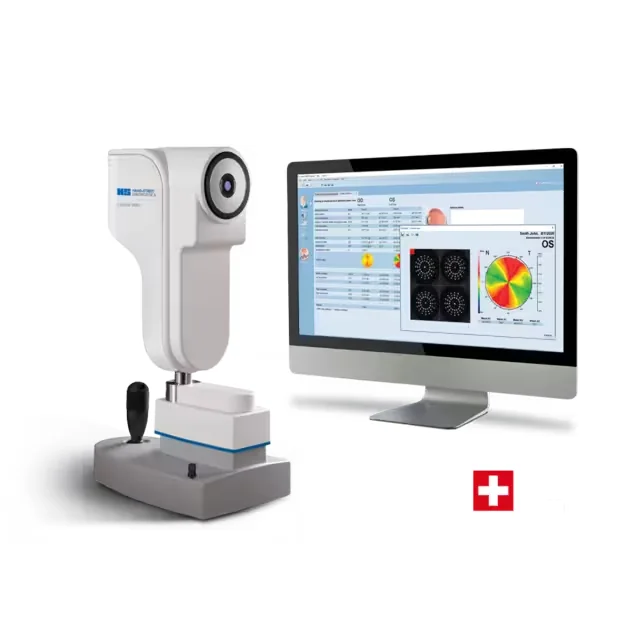
Essential parameters are brought together in one workflow.
Organised data to support surgical planning.
An interface designed to structure acquisition and review.
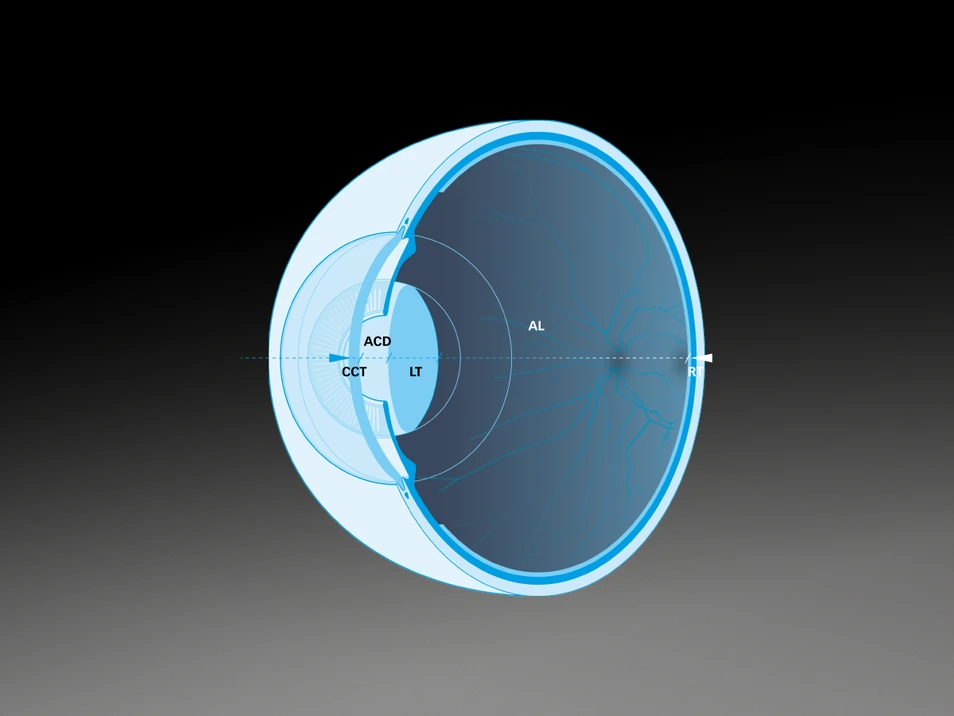
Optical biometry combines ocular parameters required for the preoperative pathway.
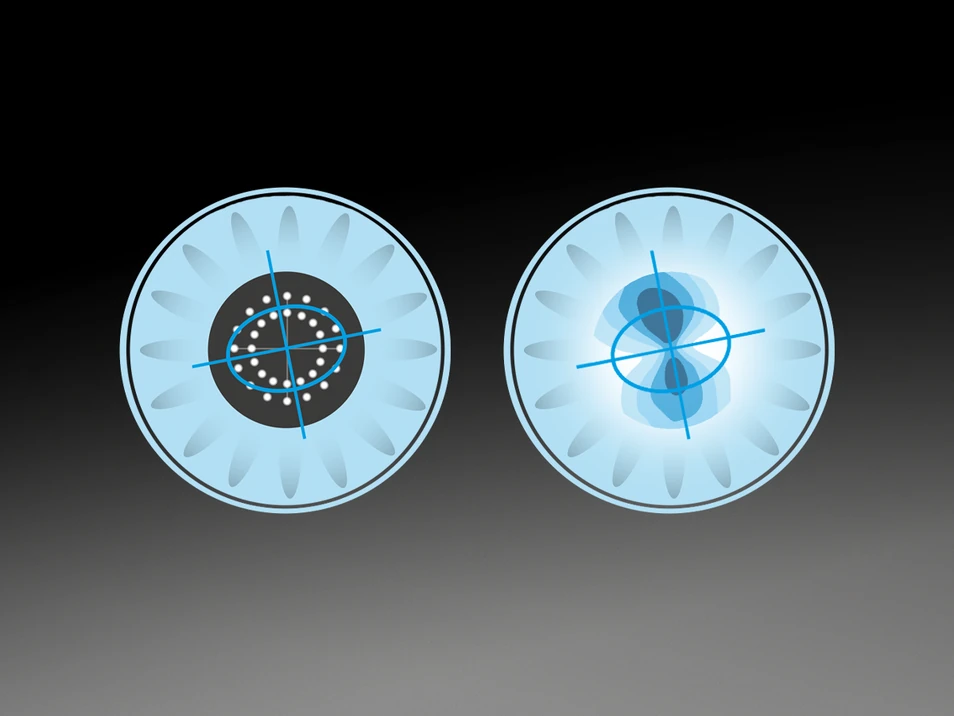
The planning module structures data used for lens selection and orientation.
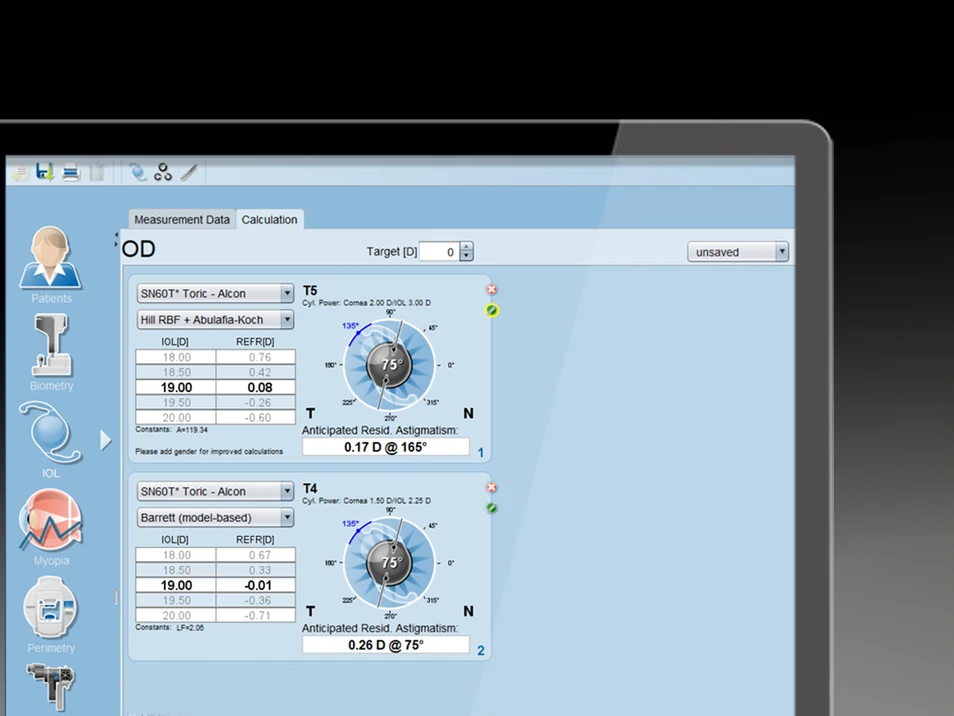
Measurements flow into EyeSuite IOL to organise calculations and comparison.
Lenstar LS 900 is Haag-Streit’s non-contact optical biometer using optical low-coherence reflectometry (OLCR). It brings together measurements used for intraocular-lens calculation: axial length, cornea, anterior chamber, crystalline lens and complementary parameters. Results are processed in EyeSuite IOL. Cornea map features, software modules and T-Cone topography must be identified according to the version and options of the ASEM configuration; they are not presented as universally included standard equipment.
Axial length: 14–32 mm Anterior chamber depth: 1.5–6.5 mm Lens thickness: 0.5–6.5 mm Display resolution: 0.01 mm The instructions report in-vivo repeatability at one standard deviation (1σ): ±0.035 mm for axial length, ±0.04 mm for anterior chamber depth and ±0.08 mm for lens thickness. These results come from the manufacturer study, not a guarantee of accuracy for every eye. The measurement ranges in the instructions are based on Phakic measurement mode.
Central corneal thickness: 300–800 µm Corneal display resolution: 1 µm Corneal curvature radius: 5–10.5 mm Keratometric axis: 0–180° White-to-white distance: 7–16 mm Pupil diameter: 2–13 mm Dual-zone keratometry uses 32 points. The current brochure distinguishes a calculated axial Cornea map over the central 3 mm using 48 points from optional 11-ring Placido T-Cone topography over 6 mm. These representations are not interchangeable; available software versions and options must be confirmed.
EyeSuite IOL brings together documented measurements and IOL calculations, including Hill-RBF, Barrett Universal II and Haigis. Listed interfaces include DICOM SCU, GDT and EyeSuite scripting/command-line interfaces. Modules, formulas and connections depend on the software configuration and installation. The monitor in the official media illustrates an installation and does not prove that it is supplied with the biometer.
Width: 310 mm Depth: 260 mm Height: 420 mm Primary power supply: 100–240 V AC Frequency: 50–60 Hz Standard Lenstar weighs 6.2 kg; Lenstar APS weighs 6.6 kg. Standard secondary supply is 12 V / 1 A, whereas APS supply is 18 V / 1.7 A. These configurations must not be combined. The specified medical power supply, computer, software and ASEM installation options must be identified in the quotation.
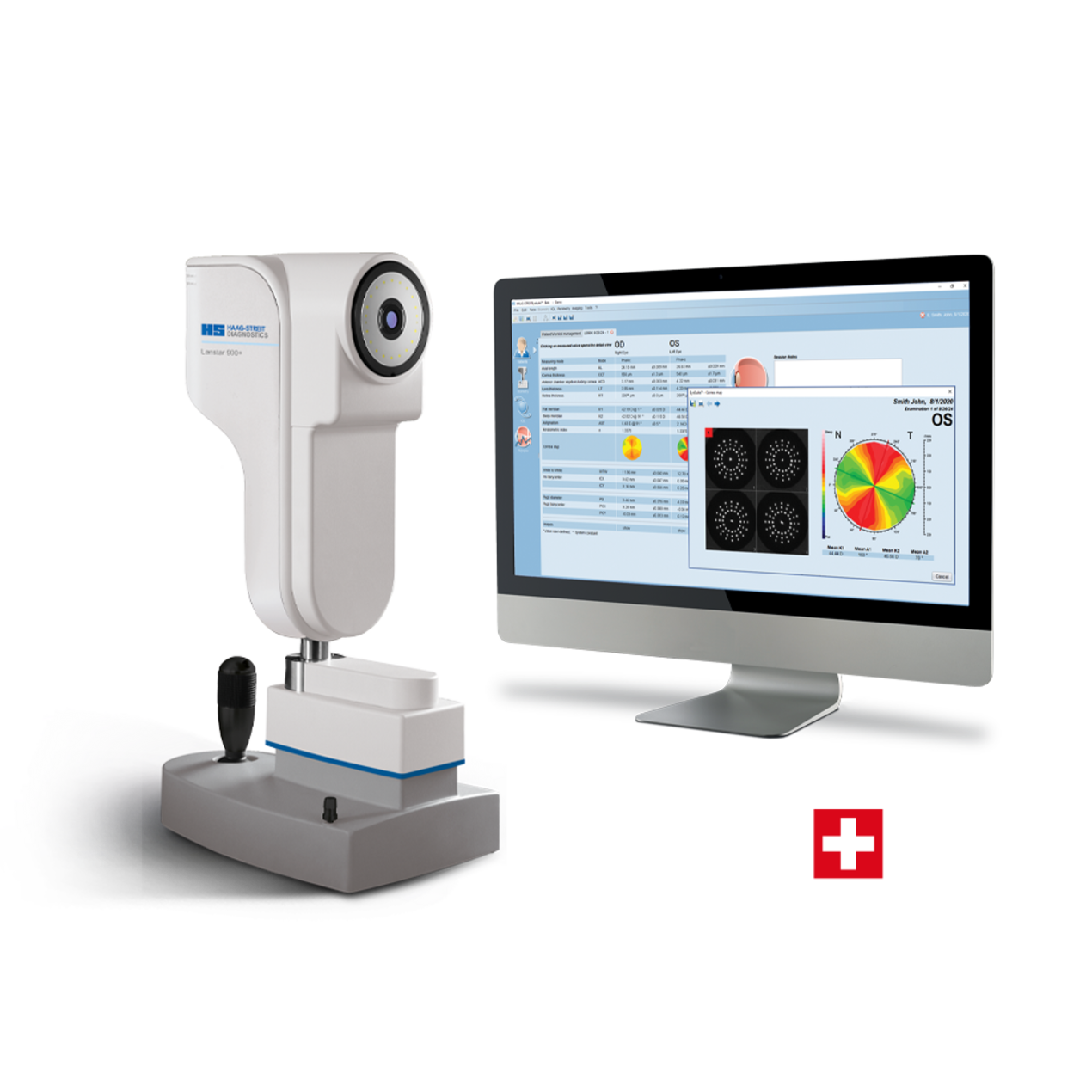
Parameters remain accessible together.
The workflow limits scattered steps.
Useful data is clearly presented.
Review fits the practitioner’s workflow.
A recommendation adapted to your requirements.
Commissioning and onboarding with the team.
Local technical support when you need it.
Ongoing support to operate the solution.
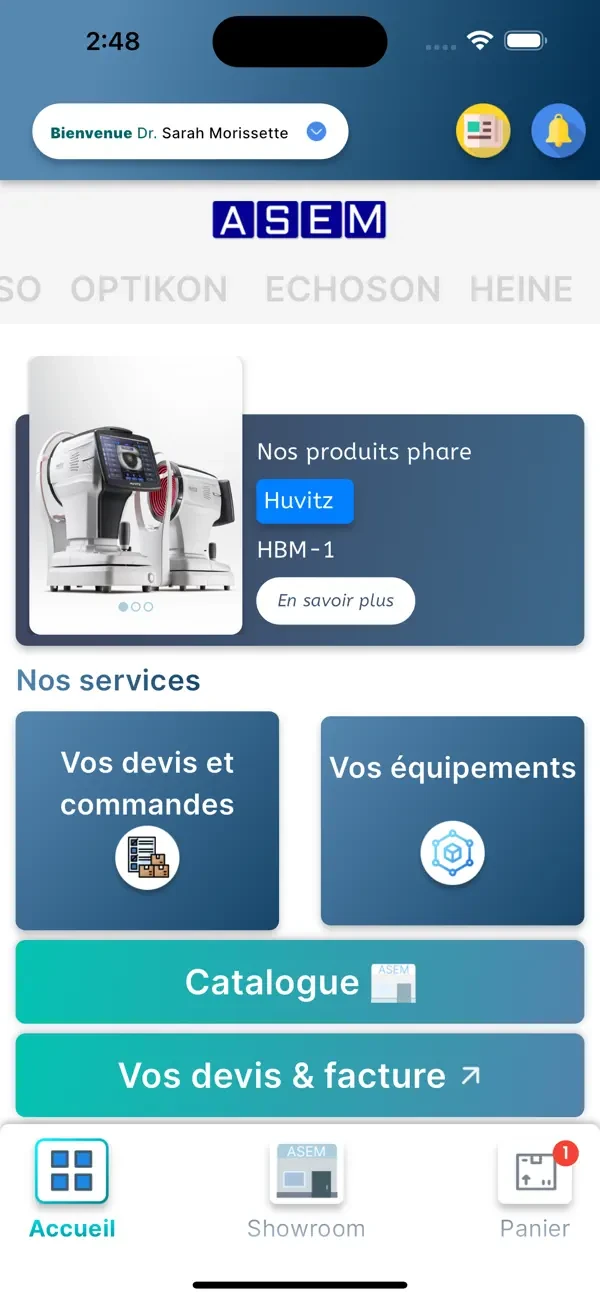
ASEM application
References, quotes, invoices and service in your pocket.
A first in Algeria


Structured ocular measurements for lens-surgery planning pathways.
Essential parameters are brought together in one workflow.
Organised data to support surgical planning.
An interface designed to structure acquisition and review.
Optical biometry combines ocular parameters required for the preoperative pathway.
The planning module structures data used for lens selection and orientation.
Measurements flow into EyeSuite IOL to organise calculations and comparison.
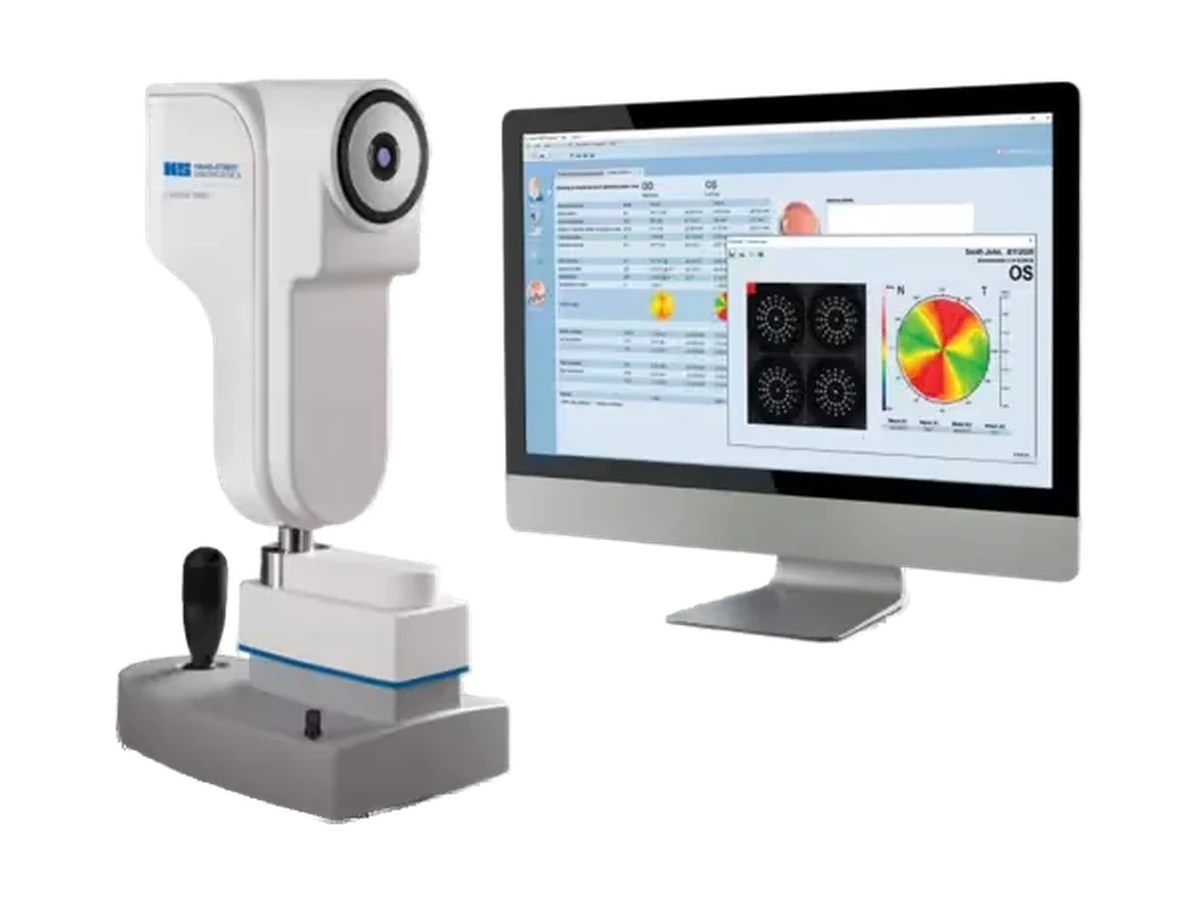
Lenstar LS 900 is Haag-Streit’s non-contact optical biometer using optical low-coherence reflectometry (OLCR). It brings together measurements used for intraocular-lens calculation: axial length, cornea, anterior chamber, crystalline lens and complementary parameters. Results are processed in EyeSuite IOL. Cornea map features, software modules and T-Cone topography must be identified according to the version and options of the ASEM configuration; they are not presented as universally included standard equipment.
Axial length: 14–32 mm Anterior chamber depth: 1.5–6.5 mm Lens thickness: 0.5–6.5 mm Display resolution: 0.01 mm The instructions report in-vivo repeatability at one standard deviation (1σ): ±0.035 mm for axial length, ±0.04 mm for anterior chamber depth and ±0.08 mm for lens thickness. These results come from the manufacturer study, not a guarantee of accuracy for every eye. The measurement ranges in the instructions are based on Phakic measurement mode.
Central corneal thickness: 300–800 µm Corneal display resolution: 1 µm Corneal curvature radius: 5–10.5 mm Keratometric axis: 0–180° White-to-white distance: 7–16 mm Pupil diameter: 2–13 mm Dual-zone keratometry uses 32 points. The current brochure distinguishes a calculated axial Cornea map over the central 3 mm using 48 points from optional 11-ring Placido T-Cone topography over 6 mm. These representations are not interchangeable; available software versions and options must be confirmed.
EyeSuite IOL brings together documented measurements and IOL calculations, including Hill-RBF, Barrett Universal II and Haigis. Listed interfaces include DICOM SCU, GDT and EyeSuite scripting/command-line interfaces. Modules, formulas and connections depend on the software configuration and installation. The monitor in the official media illustrates an installation and does not prove that it is supplied with the biometer.
Width: 310 mm Depth: 260 mm Height: 420 mm Primary power supply: 100–240 V AC Frequency: 50–60 Hz Standard Lenstar weighs 6.2 kg; Lenstar APS weighs 6.6 kg. Standard secondary supply is 12 V / 1 A, whereas APS supply is 18 V / 1.7 A. These configurations must not be combined. The specified medical power supply, computer, software and ASEM installation options must be identified in the quotation.
Parameters remain accessible together.
The workflow limits scattered steps.
Useful data is clearly presented.
Review fits the practitioner’s workflow.
A recommendation adapted to your organisation and requirements.
Commissioning and onboarding with ASEM teams.
Local technical support after installation.
Ongoing support to get lasting value from the solution.
ASEM application
Explore more references, request quotes, review invoices and contact after-sales service directly from your phone.
A first in Algeria for healthcare professionals.Catalogue, quotes, invoices and after-sales requests combined in the ASEM app.
