Which Platform for a Combined Cataract and Retina Practice?
Selecting phaco-vitrectomy equipment for a mixed surgical programme means connecting procedures, fluidics, consumables, theatre organisation and service continuity—not simply counting features.
In this article
- Begin with the surgical programme, not the brochure
- Why fluidics require an operative reading
- Cataract and retina: seek continuity without erasing the differences
- The interface and foot pedal: details that shape the surgical gesture
- What the platform changes—and does not change—in theatre
- Regulation, market and documentation: do not leave them until the end
- A sound decision can be tested in a well-prepared demonstration
The need often emerges from a very concrete situation: the theatre performs cataract surgery regularly, but must also be able to manage vitreoretinal cases or combined procedures. At that point, a platform designed around one surgical family may appear limiting, while a more versatile system raises a different question: can that versatility genuinely be used by the team, with the required consumables and support?
Begin with the surgical programme, not the brochure
The first document to prepare is therefore not a comparison of brands. It is a map of the procedures. Separate routine phacoemulsification from situations in which anterior vitrectomy may be required, planned vitreoretinal procedures and combined interventions. This distinction prevents an advertised capability from being mistaken for a configuration that is genuinely relevant to the theatre.
For each procedure family, the surgeon can identify the steps the equipment must support: irrigation, aspiration, cutting, illumination, fluid–air exchange, silicone oil management, diathermy or, where relevant, a pars plana approach. The specification becomes more useful when it describes the surgical action and its context rather than presenting a disconnected list of technical terms.
Questions to include in the specification
- Which procedures are performed today, and which are being considered for the medium term without treating them as guaranteed activity?
- Which configurations must be prepared before surgery, and which can be changed during the case?
- Does the pump, aspiration and irrigation logic correspond to the operating preferences of the surgeons involved?
- Are the essential retinal functions available in the proposed configuration, with their associated accessories and consumables?
- Who manages ordering, storage, traceability and replenishment of consumables?
- Who provides initial training, support for new users and biomedical assistance?
- What is the procedure if the platform, a cassette or an accessory is unavailable on the scheduled day?
Why fluidics require an operative reading
In a programme combining anterior-segment and retinal work, fluidics are not a topic reserved for biomedical engineering. They influence how the team understands anterior-chamber behaviour, adjusts aspiration and manages the progression of a case. Flow and vacuum settings should not be read as independent selling points: their relevance depends on the protocols used, the training available and the preferences of each surgeon.
Cataract and retina: seek continuity without erasing the differences
Combined surgery requires particular attention to transitions. The organisational benefit does not come simply from placing several functions in one device. It depends on the team’s ability to move from a phaco environment to a vitreoretinal sequence without multiplying connections, handling steps or urgent decisions during the case.
Consumables deserve an assessment separate from the console’s purchase price. Instruments, single-use devices and customised packs can affect case preparation, stock management and the traceability workload. In its official portfolio, BVI presents instruments and procedure packs associated with several ophthalmic consumable brands. Actual availability and supply conditions must nevertheless be confirmed locally before a decision is made.
The interface and foot pedal: details that shape the surgical gesture
In theatre, ergonomics are measured less by the impression created during a demonstration than by how easily a user can find information or a control during a case. Screen visibility, parameter hierarchy, profile logic and foot-pedal response should be assessed with the people who will actually operate the system. An interface that feels intuitive to one surgeon may not suit another when protocols and habits differ.
Light sources also deserve attention within the retinal pathway. The team can examine where illumination controls sit in the operative sequence, how accessible they are and how they support coordination between surgeon, scrub team and assistant. This assessment is meaningful only when performed on a configuration identical to the one proposed for installation.
What the platform changes—and does not change—in theatre
Service continuity should be written down before installation. Identify critical components, the acceptable resolution time, the support contact and the response if the device fails or a consumable is missing. This does not require a particular investment frequency or a single organisational model; it simply converts an abstract risk into a procedure that the theatre can verify.
Training should likewise be connected to operative situations. An introductory session may cover the interface, foot pedal and settings, but the team must also know who prepares the lines, how consumables are identified, which checks are completed before incision and how the configuration used is recorded. Collective competence is built at these interfaces between the medical gesture, preparation and organisational safety.
Regulation, market and documentation: do not leave them until the end
The official page states that not all BVI products or offerings are approved or available in every market, and that labelling and instructions may vary by country. For a facility in Algeria, this should prompt a precise documentary and commercial check with the local distributor or manufacturer: applicable status, available references, instructions for use, accessories, consumables and service arrangements.
This step protects the decision against two opposite errors. The first is rejecting a solution on the basis of information from another market. The second is treating an international product page as a guarantee of immediate local availability. The purchasing file should retain the documents corresponding to the configuration actually offered, not only those for a general product version.
A sound decision can be tested in a well-prepared demonstration
Before signing, the facility can request a demonstration organised around two representative scenarios: a cataract case reflecting routine activity and a vitreoretinal or combined scenario reflecting the declared need. The aim is not to simulate every possibility, but to examine the continuity between installation, protocol selection, use of controls, configuration changes and the end of the procedure.
The final comparison should distinguish three levels. First, the functions essential to the medical programme. Second, the features that improve ergonomics or standardisation. Third, the options that would become useful only if the activity changes. This hierarchy makes the decision easier to defend to management and easier for the team to understand, without presenting capabilities that do not match the actual project as necessities.
Relevant phaco-vitrectomy equipment is the solution that connects the surgical programme, fluidics, retinal functions, consumables and team competencies within one coherent logic. Technology matters; the quality of its integration matters more.
Share this article
Professional FAQ
Why does a combined cataract and retina programme require a specific equipment assessment?
Because phacoemulsification and vitreoretinal surgery are not adequately represented by the presence of two operating modes. Fluidics, light sources, ancillary functions, consumables and team habits must work together as a coherent system.
What should be checked before comparing two platforms?
Document the procedures genuinely planned, the configurations required, available consumables, training needs, maintenance arrangements and the response if the equipment or an accessory is unavailable on the scheduled day.
Is a shared cassette enough to justify choosing one system?
No. It may simplify part of preparation, but it must be assessed alongside procedure compatibility, availability, storage, traceability, costs, training and the instructions applicable in the relevant market.
Sources and references
Official product
-
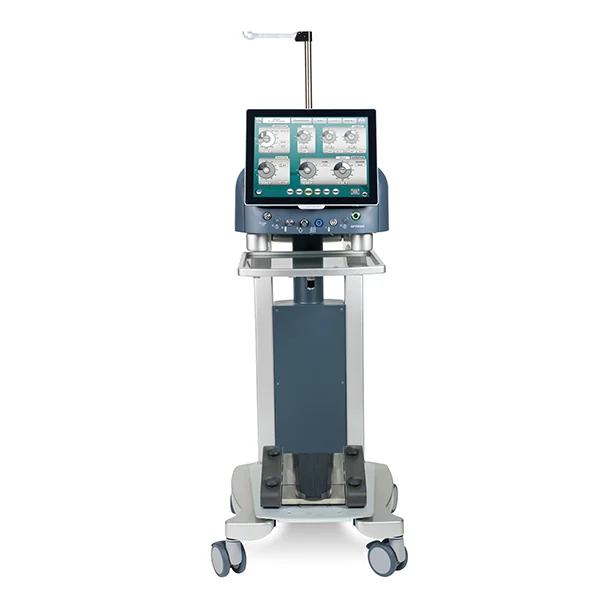
R-Evo Smart CR
BVI Medical · R-Evo Smart CR · www.bvimedical.com
Accessed 2026-08-09
Official catalogue
-
BVI Medical product catalogues
BVI Medical · www.bvimedical.com
Accessed 2026-08-09 -
BVI ophthalmic consumables
BVI Medical · www.bvimedical.com
Accessed 2026-08-09