
51-B / 236 B
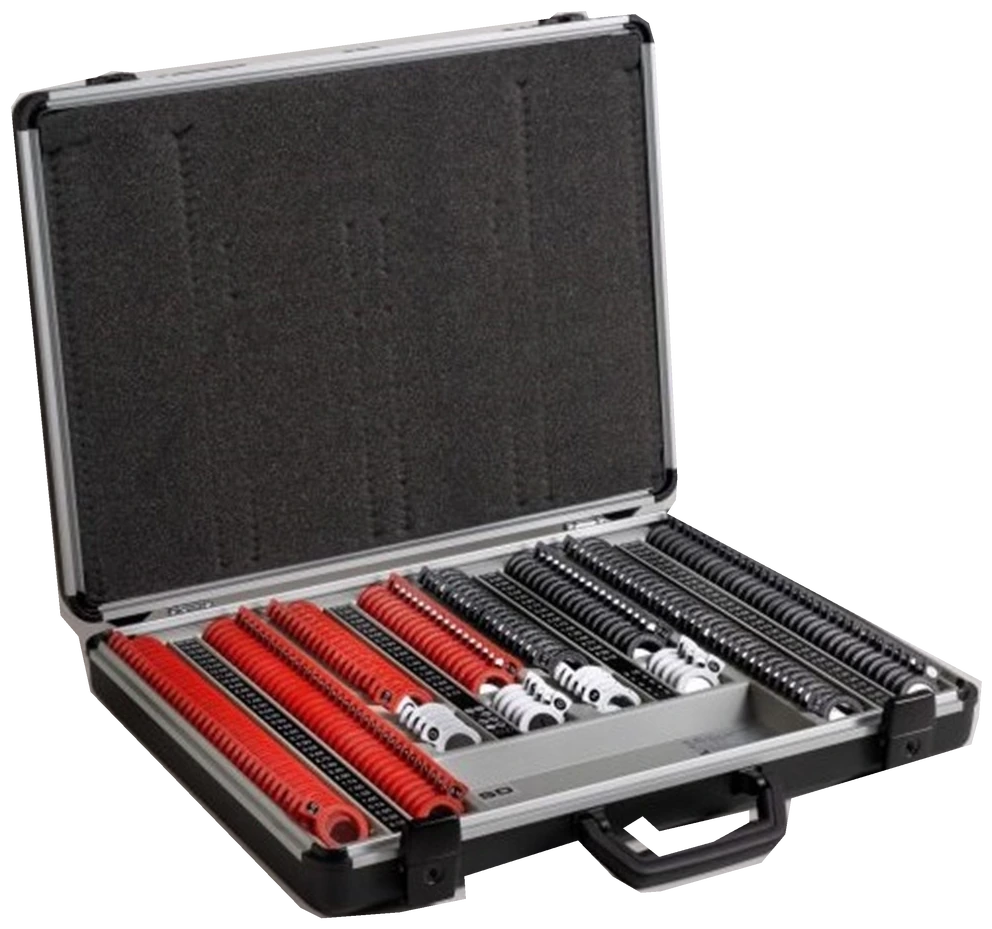
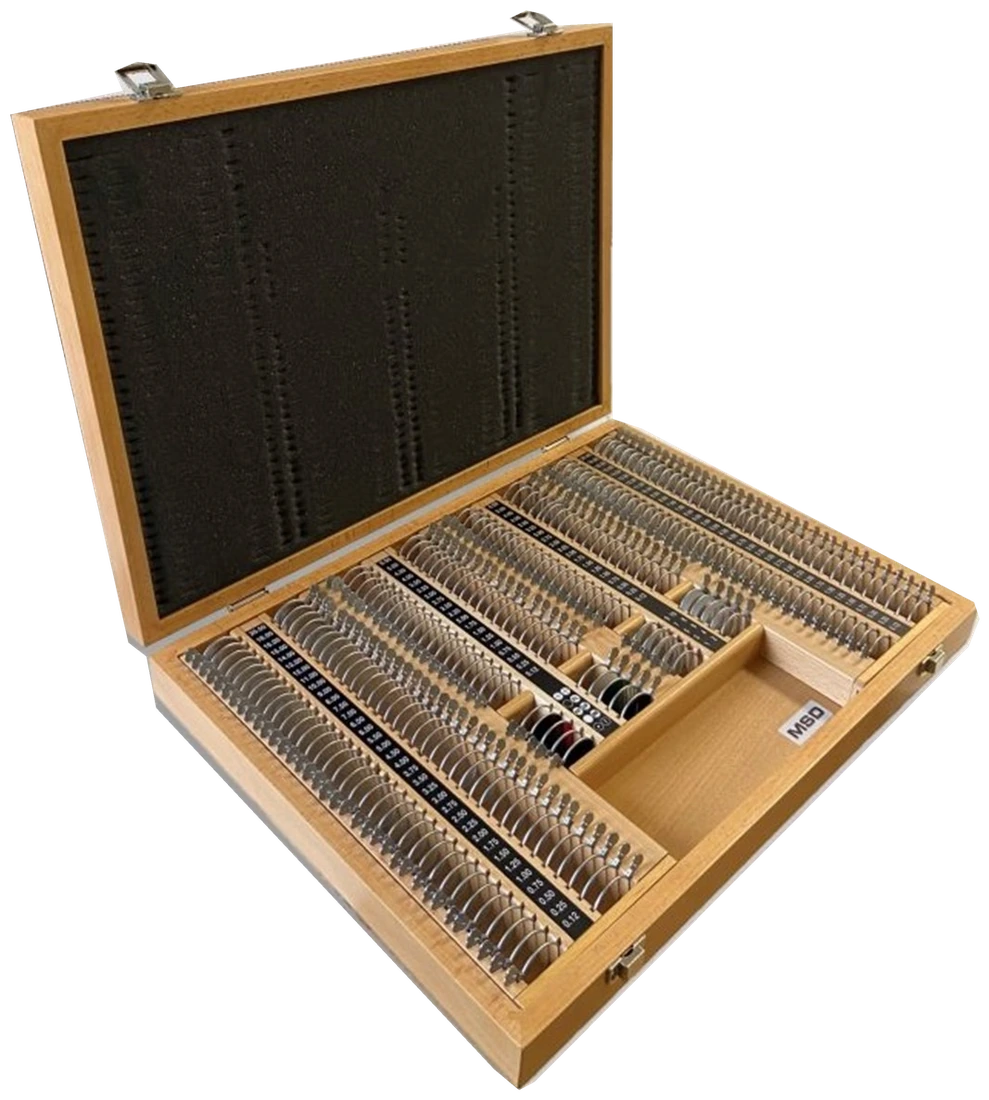
236 trial lenses for subjective refraction in an ABS case.
The 51-B — 236 B is a comprehensive trial lens set designed for optometry and ophthalmology professionals. It contains 236 lenses in different categories for precise assessment of ocular refraction.
Key advantages
The documented strengths of 51-B / 236 B, at a glance.
Subjective refraction
Trial lens set for assembling the optical correction.
236 trial lenses
Set of 236 lenses in an ABS case.
Capabilities in practice
A closer look at the functions and technology of 51-B / 236 B.
Designed for a smoother workflow
A defined storage format
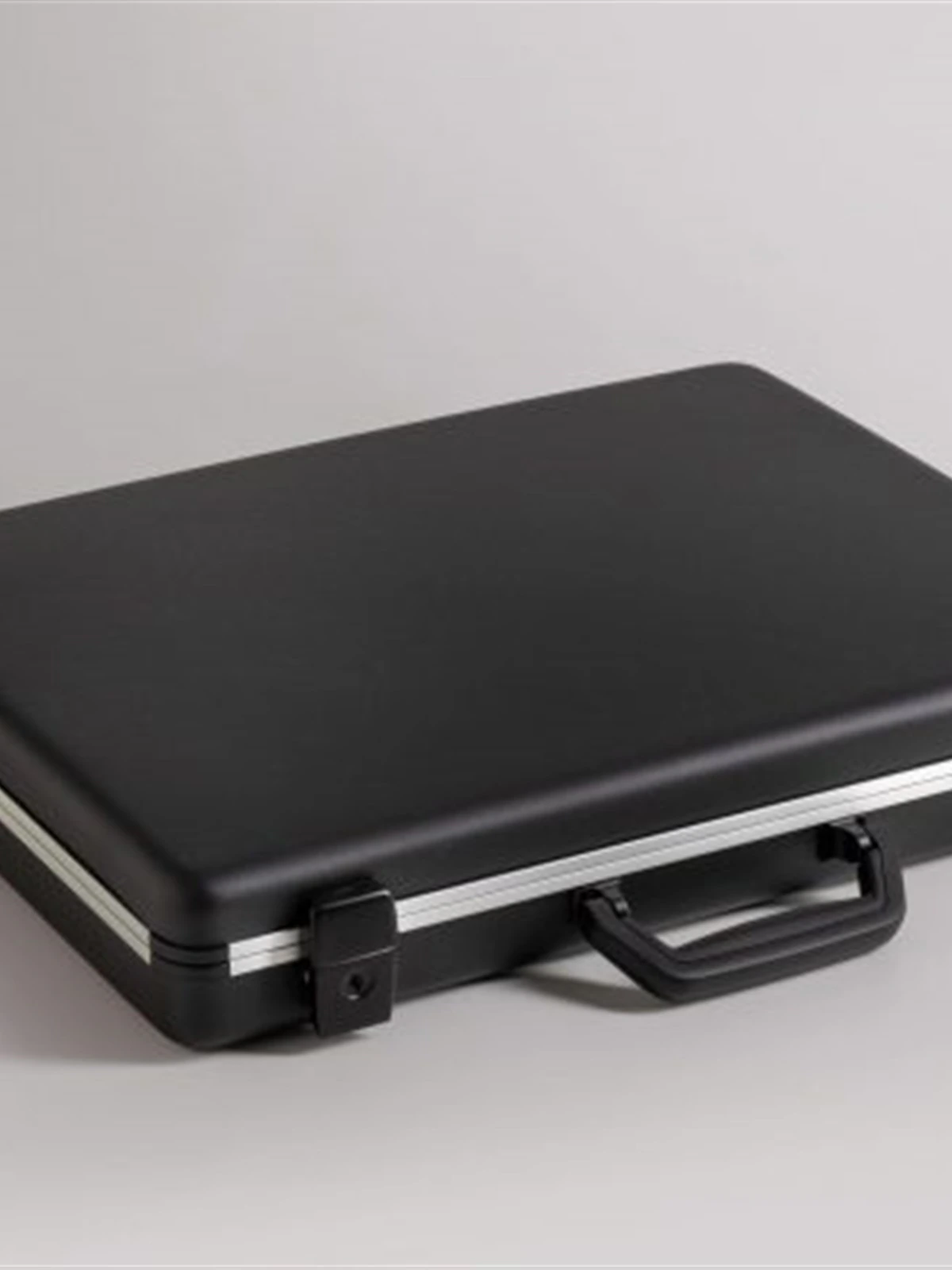
The 51-B / 236 B contains 236 pieces in an ABS carrying case. It remains distinct from wooden cases and the separately referenced meniscus series.
Spheres and cylinders
The model page lists positive and negative spherical series from 0.12 to 20.00 and positive and negative cylindrical series from 0.12 to 6.00. Increments are not uniform; consult the detailed manufacturer list.
Designed for daily practice
Explore the documented features and practical configuration of 51-B / 236 B.
Prisms and accessories
The documented composition includes prisms numbered 1 to 10, white Maddox, crossed lenses, a pinhole, occluder, slit, and red and green filters. This describes the set and is not an examination protocol.
More product details
MSD trial lens set — Precision and versatility for eye examinations
The 51-B — 236 B trial lens set is an essential tool for optometry and ophthalmology professionals, offering a comprehensive range of spherical, cylindrical and prismatic lenses. Designed for precise, thorough assessment of ocular refraction, it contains 236 lenses arranged in a sturdy ABS case for organised storage and protection.
Main features
Spherical lenses: available in positive and negative powers from 0.12 to 20.00 dioptres for detailed correction. Cylindrical lenses: includes positive and negative lenses with powers from 0.12 to 6.00 dioptres for precise astigmatism correction. Prisms: a range from 1 to 10 prism dioptres for detecting ocular imbalance. Accessories: includes a white Maddox rod, cross cylinders, a pinhole, an occluder, red and green filters, and frosted and plano lenses for a comprehensive assessment.
Benefits
Efficient organisation: The ABS case keeps the lenses neatly arranged and well protected. Clinical versatility: The range of lenses and accessories accommodates various diagnostic and therapeutic needs. Durability: The lenses are designed for prolonged use and a long service life. This set suits practitioners seeking a comprehensive, reliable tool for precise and efficient refraction examinations.
Technical information
Technical specifications & documentation
Product information, specifications and available documentation in one place.
Product specifications overview
Key documented information for this exact model.
Technical specifications
- Mounting
- 236 trial lenses; ABS case
Downloads & resources
Available product sheets and public manufacturer resources.
No public manufacturer document has been verified for this model. Contact ASEM for the available documentation.
Sources and documentation
- https://www.fiso.info/dynatc/brochure-0455-c3cd/msd_leaflet_neutro_05_2024_med.pdfVerified on 2026-10-05
- https://fiso.info/en/products/msd_trial_lenses/51-b-236-b-trial-lenses-sets_480/Verified on 2026-10-18
- https://fiso.info/en/products/msd_trial_lenses/51-b-236-b-trial-lenses-sets_480/Verified on 2026-10-18
- https://www.fiso.info/dynatc/brochure-0455-c3cd/msd_leaflet_neutro_05_2024_med.pdfVerified on 2026-10-18
Frequently asked questions
Your questions about 51-B / 236 B
Clear answers based on the available product information.

What is the documented Mounting of 51-B / 236 B?
236 trial lenses; ABS case
View sourceWhich case accompanies the 51-B 236B trial lens set?
The exact model page describes a 236-piece trial lens set in an ABS carrying case.
View sourceHow is the 51-B version without positive cylinders identified?
The manufacturer page identifies this version separately as 51-BW.
View sourceDo all values use the same increment?
No. The manufacturer list uses varying increments in the spherical and cylindrical series. The range alone must not be presented as a constant-step series.
View sourceWhich prisms are listed?
The model page lists values 1, 2, 3, 4, 5, 6, 7, 8, 9 and 10. No different composition is borrowed from another set.
View sourceASEM support
More than a device, a long-term partnership
Discuss your project with ASEM: equipment selection, installation, training and technical support.
Installation
Discuss the installation requirements and configuration with our technical team.
Learn more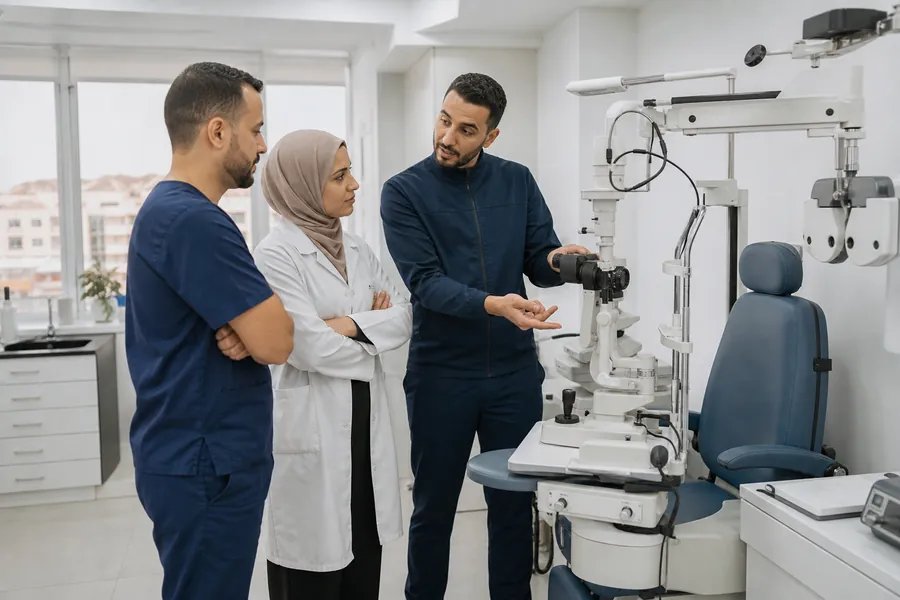

After-sales service
Contact ASEM for technical assistance and the support appropriate to your equipment.
Learn more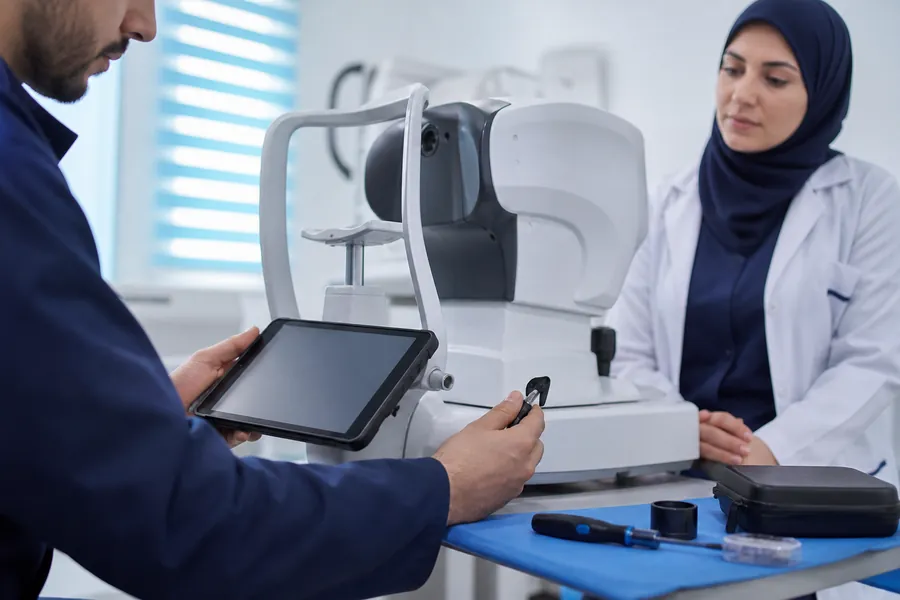

Related products
Explore equipment with related technologies and clinical uses.
Clinical applications
Explore the ASEM clinical catalogue
Browse related areas of the ASEM catalogue. These links do not extend the indications of this device.
Explore all products